
October 2026
In Focus
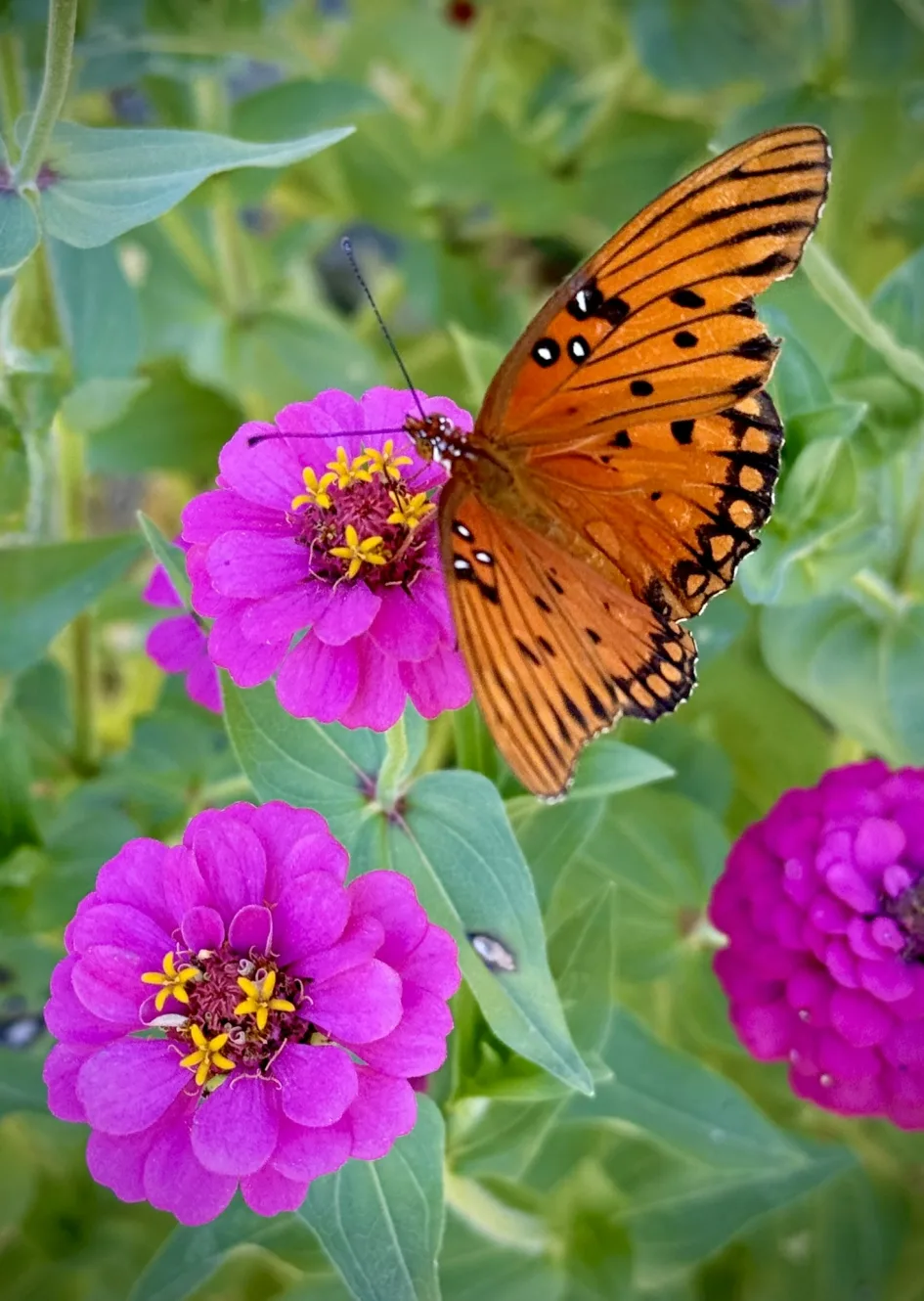
Shot using an iPhone 16. Taken during the middle of the day so I used my shadow to create softer light without the harsh shadows.
At our last Lunch Bunch, I had a couple of conversations that got me thinking about the many different ways we approach photography – and how the simplest approach can sometimes produce surprisingly good results.
One of our newer members mentioned that he does most of his photography with his phone. He later sent me some images and several wouldn’t have looked out of place among our Photo of the Month winners. They weren’t “good for a phone.” They were simply good photographs.
Another member told me that she judges her photographs largely by what she sees on the back of her camera and prints the ones she likes. A very different approach, but one that works for her.
After those conversations, I decided to make more deliberate use of the camera I nearly always have with me – my iPhone. I’ve concentrated less on settings and equipment and more on simply seeing the photograph, with some results I’ve been very pleased with.
None of this means I’m about to trade my Canon for an iPhone! Cameras, lenses, settings and post-processing all give us tremendous creative possibilities. But they’re ultimately tools. Perhaps David Morel’s recent Mini Clinic, Keeping it Simple, reinforced the same idea – sometimes simplifying the process helps us concentrate on what we’re actually seeing.
Whatever camera we’re using, perhaps the essentials remain the same: notice something interesting, think about the composition, and make the photograph.
After all, the photograph matters more than the camera that made it.
Thanks, Diane for another information-filled newsletter.
Martin Cregg – BPG President
Upcoming Events
Monthly Meeting
Tuesday, November 3rd, 2026
Otter Creek Church
Time: 6:00 – 8:00 pm
AbleVoices; Williamson County Fair Winning Images
Lunch Bunch
Thursday, November 12th, 2026
Williamson County Public Library
Time: 11:30 am – 12:30 pm
Mini Clinic
Thursday, November 19th, 2026
Zoom (Details emailed to members prior to event)
Time: 7:00 – 8:30 pm
Gabe Biderman; Abandoned and Urban Night Photography
Photography Outing
Saturday, November 7th, 2026
Time: 9:30 am
Hideaway Farm, Bon Aqua, TN, Johnny Cash home
Group Lunch: Optional
October POTM Themes
Food Photography, Image from a recent Photography Outing, and an Open Category
Food Photography : What to Consider by Anne McKinnell
Lighting is Everything
- What’s the most obvious requirement for a flawless picture? LIGHT. If you’ve ever spotted a photographer at a restaurant, you’ll notice they always steal a seat next to the window. That’s because they’re setting themselves up with lighting that will compliment the food and accentuate all of the delicious details. Natural light is your friend!
- While lighting is the ultimate key to photography, you never want to shoot food in direct sunlight. Your image will look ‘hot,’ aka overexposed. As for shooting with artificial light, the only time it reigns supreme is in product photography or if you’re chasing shadows.
Think through Perspective
- “When you change the way you look at things, the things you look at change.” Welcome to one of my favorite quotes ever. And guess what? It’s all about perspective. The same applies to photography. That’s why when you’re shooting a dish it’s important to capture it from all angles!
- Everyone has a go-to perspective, which is what I like to call your personal style. However, when you’re creating content for a client it’s helpful to know the story they want to tell. Maybe their goal is to create food images that say, “family style.” In that case, you’ll want to focus on bright overhead shots featuring a variety of menu items with hands reaching across the table to share them. Take time to think through how your client wants to be perceived. Then bring that vision to life.
Fresh Paint, Please!
- There’s nothing worse than chipped nails holding a gorgeous waffle cone overflowing with ice cream. It’s borderline offensive. In fact, details are the most important thing to consider when you’re shooting any photograph. Every tiny morsel contributes to the big picture and how people react to it.
- Ugly nails will ruin a perfect shot, so don’t let it happen to you. I don’t care if you have to skip a meeting with Oprah to make it to your nail appointment on time – fresh paint is crucial. She’ll understand.
Develop Your Personal Style
- A huge part about being a photographer means being true to your personal style. We all see things differently, which is why it’s wildly necessary to emphasize your point of view. It’s what makes you unique!
- Think of being behind the camera as your opportunity to be an artist. Experiment with different compositions, angles and color schemes. Shoot an overhead tablescape and cut off half of every plate. Find something interesting and make the moment yours.
- P.S. The worst thing you could ever do is worry about what other people think. Share your perspective with the world and it will be appreciated. I promise.
Get Handsy
- Remember when your parents said “Don’t play with your food!” Well, forget it. Food is one of the most playful mediums we put our hands on every day. In fact, I once hosted an event in New York City for influencers to use colorful ingredients to paint their plates and excite their palates. YOU WOULD HAVE LOVED IT.
- So, here’s a little challenge for you. Next time you’re eating out, channel your inner food stylist. Reposition the watermelon radish slice that fell slightly off the top of your salad. Ask for more fresh parsley to bless the top of your chicken parmesan with. Move your broccolini to new territory. Spoiler alert: it’s crazy satisfying.
Post-Shoot Edits… Beware
- Let me start by saying, I love Adobe Lightroom. It’s an incredible tool to give your photos the mini facelift they sometimes need. Using an editing program is also a wonderful way to learn about the elements of photography. You have no idea how many times the white-balance tool has saved my ass after media nights in dark restaurants.
- Editing is a whole other form of self-expression. In my mind, there are two types of photo editors. People who like to keep it real and people who like to throw a 50% orange filter on top of 32% shadows and -17% contrast. I prefer to maintain the integrity of the food with minimal enhancement. For quick edits, I usually increase highlights, up the brightness and make sure the temperature is neutral.
- For more food photography inspiration, check out my instagram page!
Happy snapping.
2026 Photo Of The Month Contest
Photo of the Month contest images are hung prior to the main meeting. This is an opportunity for you to compare your work with that of others, as you perhaps think about entering our outside exhibits. It’s good training, and by compelling you to focus on specific themes you learn and grow in your photography. A Board member will be at the display to answer questions and encourage participation.
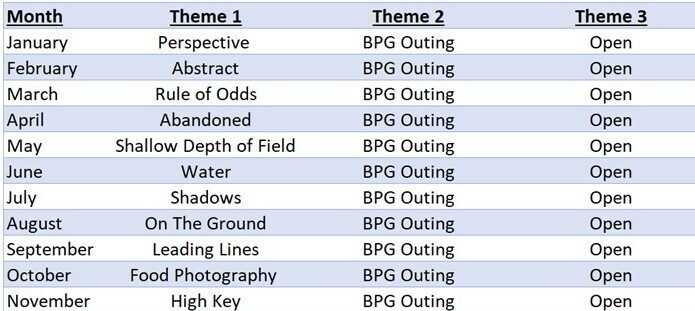
November POTM Themes
High Key, Image from a recent Photography Outing, and an Open Category
High Key Photography By Madhu Manickam
Overexposure is usually considered a bad result in photography – something to be avoided at all costs. The same is true of blown-out backgrounds and overcast skies. But sometimes, this “high-key” look can be exactly what a photo needs.
Among the biggest challenges in wildlife and landscape photography is an overcast sky. You might even hesitate to pull out your gear in the first place on cloudy days.
Instead of putting away your camera in these situations, see if you can use the bright, overexposed background to your advantage and end up with a powerful photo.
What is High-Key Photography?
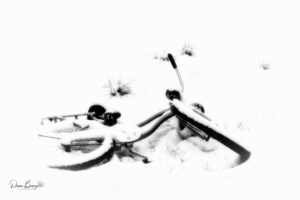
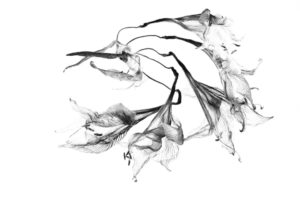
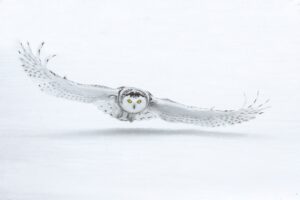
- In short, high-key images are those that have few shadows and have the subject set against a very bright background. High-key images are often set against over-exposed backdrops. In high-key photos, the average of all the pixels in the image is very bright. High-key is the opposite of low-key images that are defined by their darker tones.
- For landscape photography, snowy scenes are some of the best ways to take high-key photos. High-key images also work well in foggy conditions. There will only be a few shadow details in such a photo, while the rest can be bright or even completely white.
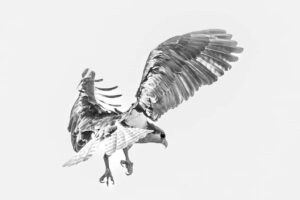
- Meanwhile, in wildlife photography, a typical high-key photo involves an overcast sky that has been brightly exposed, often to the point of looking completely blown-out.
- A high-key photo has a bright, positive feel compared to a dramatic and moody low-key image. Some high-key images, like the one above, can be quite high in contrast. In other cases, like the photo below, high-key photography is used to brighten the entire photo and give a low-contrast, etherial emotion to the photo. This look is common in portraiture, but also works in other situations like snowy landscapes and sand dunes.
Recommended Camera Settings
- Spot Metering – The first thing I do when making a high-key image is change the metering mode to spot metering. I do this because matrix/evaluative metering mode – my usual preference – tends to look at the entire scene, which turns overcast clouds, snow, and fog close to middle gray.
- Admittedly, your subject needs to be big enough that the spot meter doesn’t pick up on the background behind it. Correspondingly, you may still need to use some positive exposure compensation if the images are turning out too dark (or brighten them in post-processing).
- But at least for larger subjects, like many wildlife photos, spot metering will allow you to get a properly exposed subject set against a much brighter background.
- With spot metering, I could achieve a high-key photo with no exposure compensation needed
Some might argue that you can use matrix metering with positive exposure compensation. The problem with such an approach is that it is hard to guess the necessary exposure compensation to expose the subject correctly. - For instance, if you are shooting against the sun, even compensations of +2 or +3 might not expose the shadows properly. But with spot metering, you can get the proper exposure with relatively few tries.
Be Accurate with White Balance
- Many high-keys are black and white, but for color photography, you often want to ensure that the white areas of your photo have minimal color tint. In other words, you need to pay even more attention than usual to your white balance. Thankfully, this is easy to correct in post-processing if you shoot RAW rather than JPEG.
Challenges with High-Key Photography
- Subject Selection – The subject in a high-key photo often works best if it has a defined shape and clear shadows. This helps it contrast against the background and allow a viewer’s eye to hone in on the subject.
- Autofocus Accuracy – With a bright – background, autofocus can hunt and suffer in terms of accuracy. The brighter the background relative to the subject, the more of an issue this can be.
- Chromatic Aberration – A dark subject with an overexposed background is an ideal recipe for chromatic aberration but can be corrected in post processing.
- Blown Highlights on the Subject – Small blown highlights on the subject may not bother you all the time, but sometimes, they can be distracting (and easy to miss in the field). Even with the “blinkies” warning turned on, you may not notice small, specular highlights that are blown out on your subject. For that reason, you may want to take a slightly darker exposure and then brighten it in post-processing, instead of going for the high-key look entirely in-camera. Alternatively, if your subject is static, you can bracket your exposures and take one that’s darker by about one stop of light. You may end up using the brighter photo after all, but at least then you’ll have a backup.
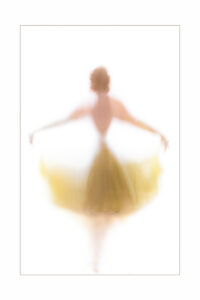
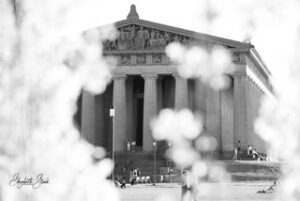

September 2026 Photo Of the Month Winning Images
First Place
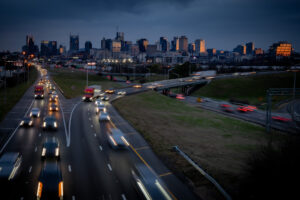
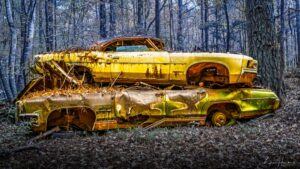
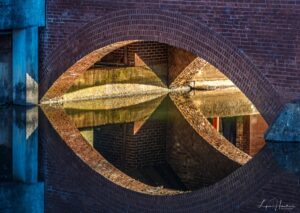
Leading Lines
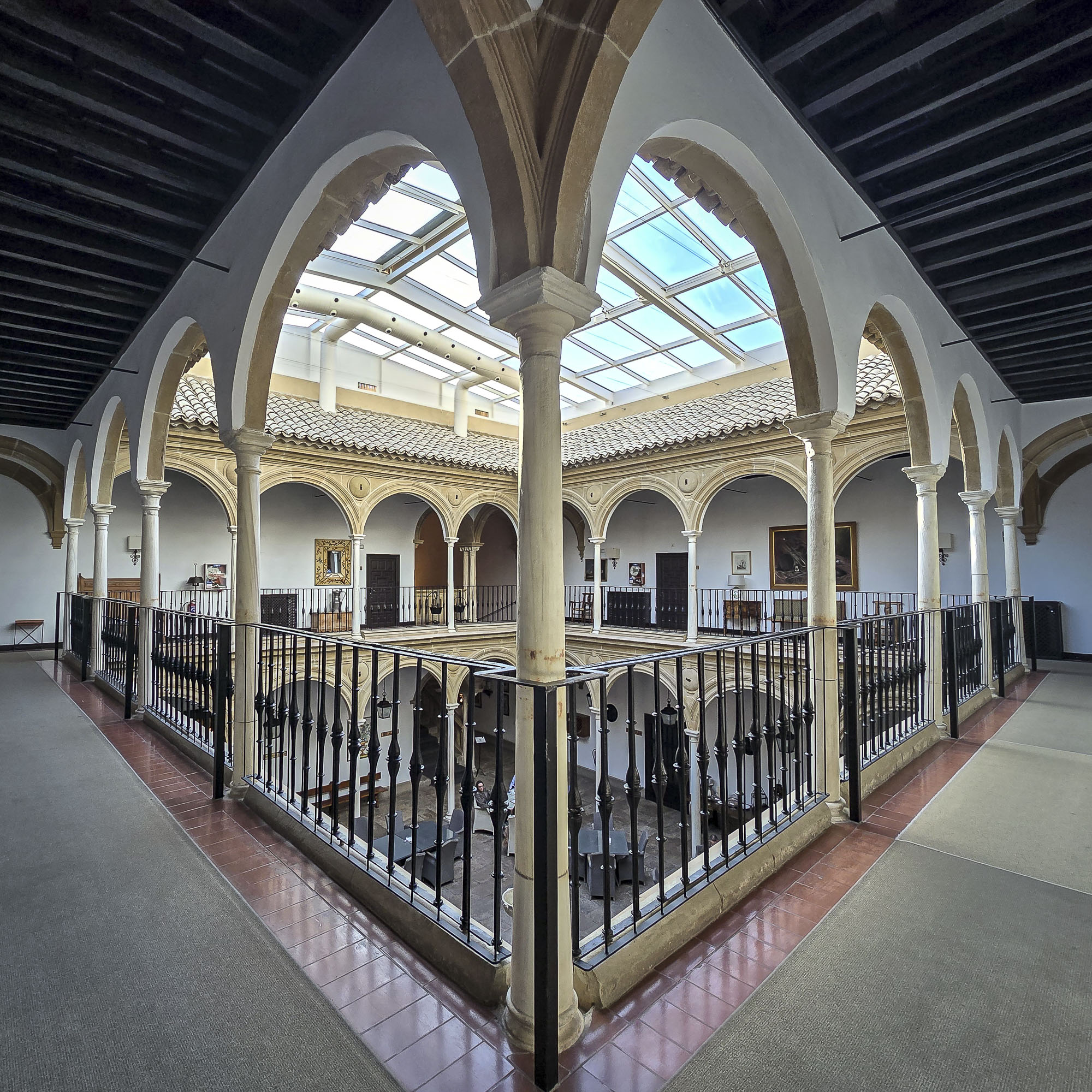
Lyra Hankins
BPG Outing
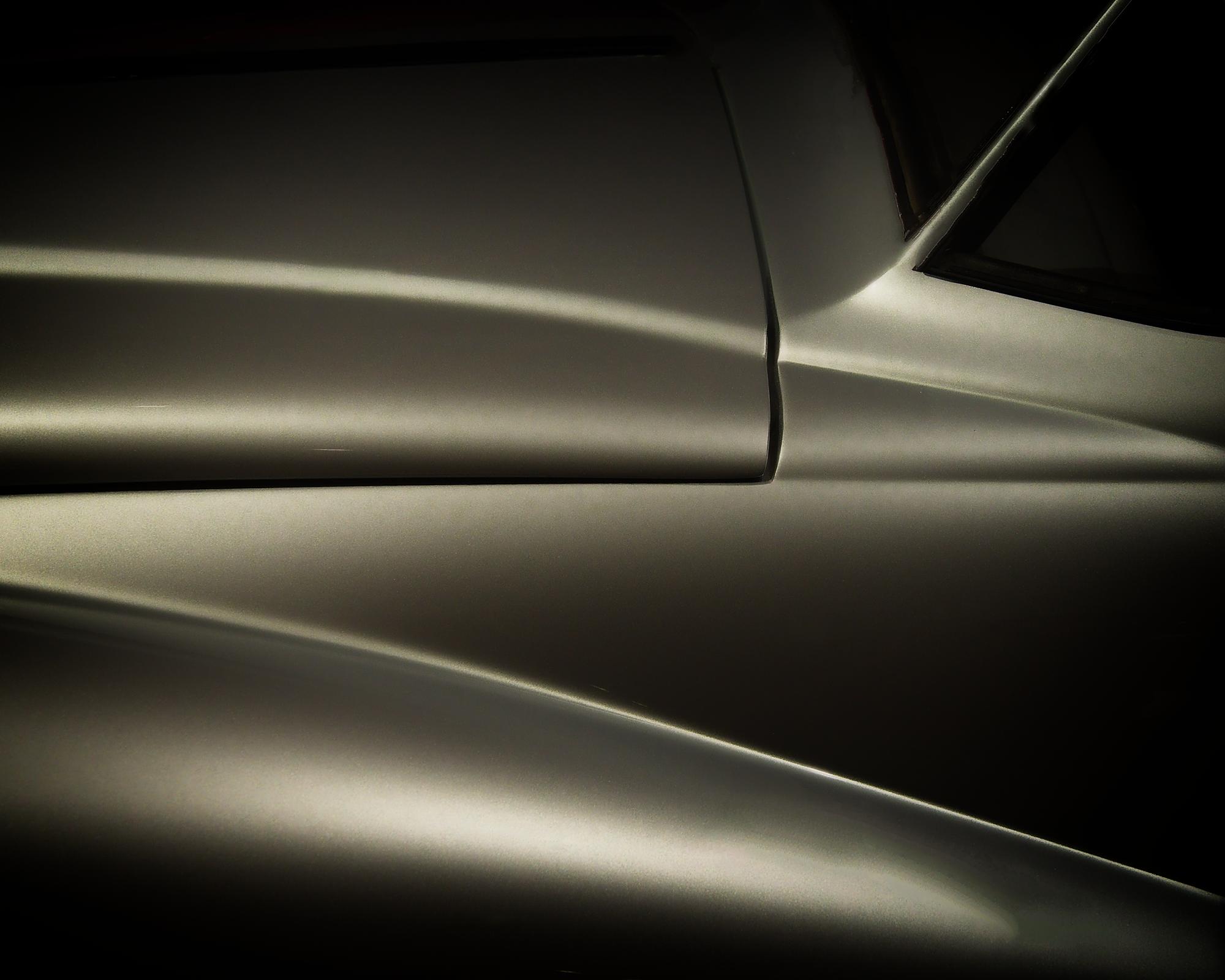
Rick Borchert
Open
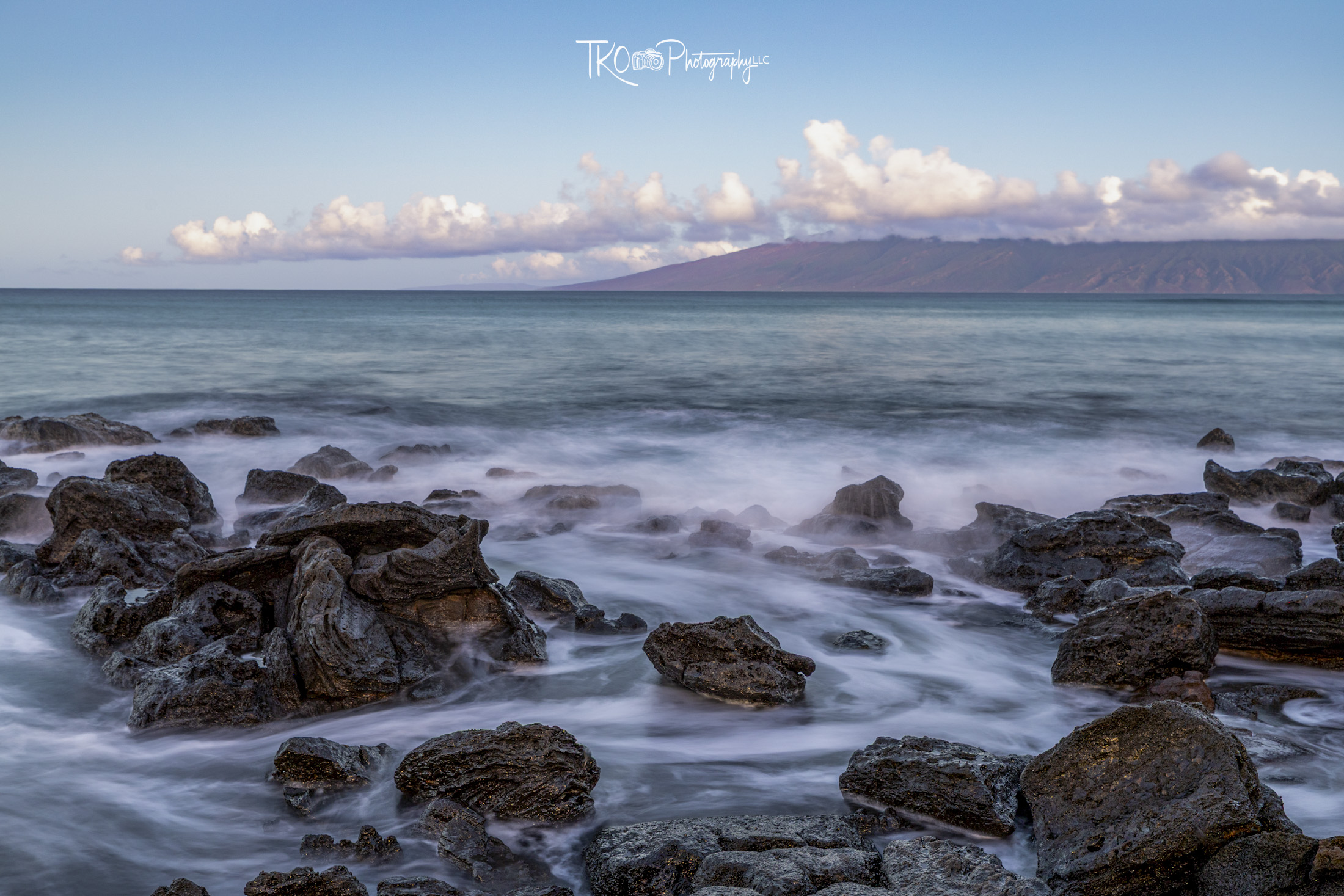
Kyle O’Neil
Second Place
Leading Lines
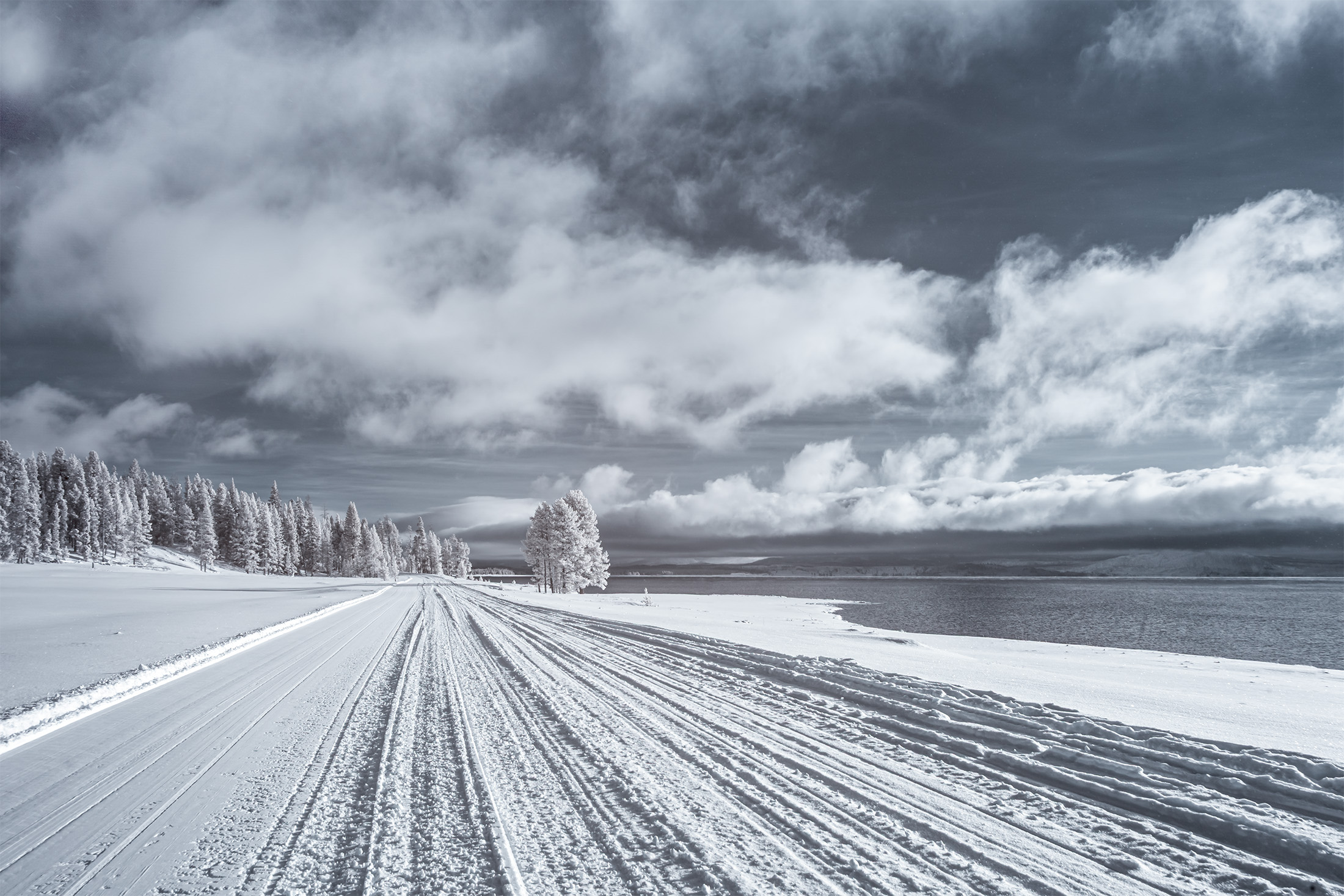
Douglas Snyder
BPG Outing
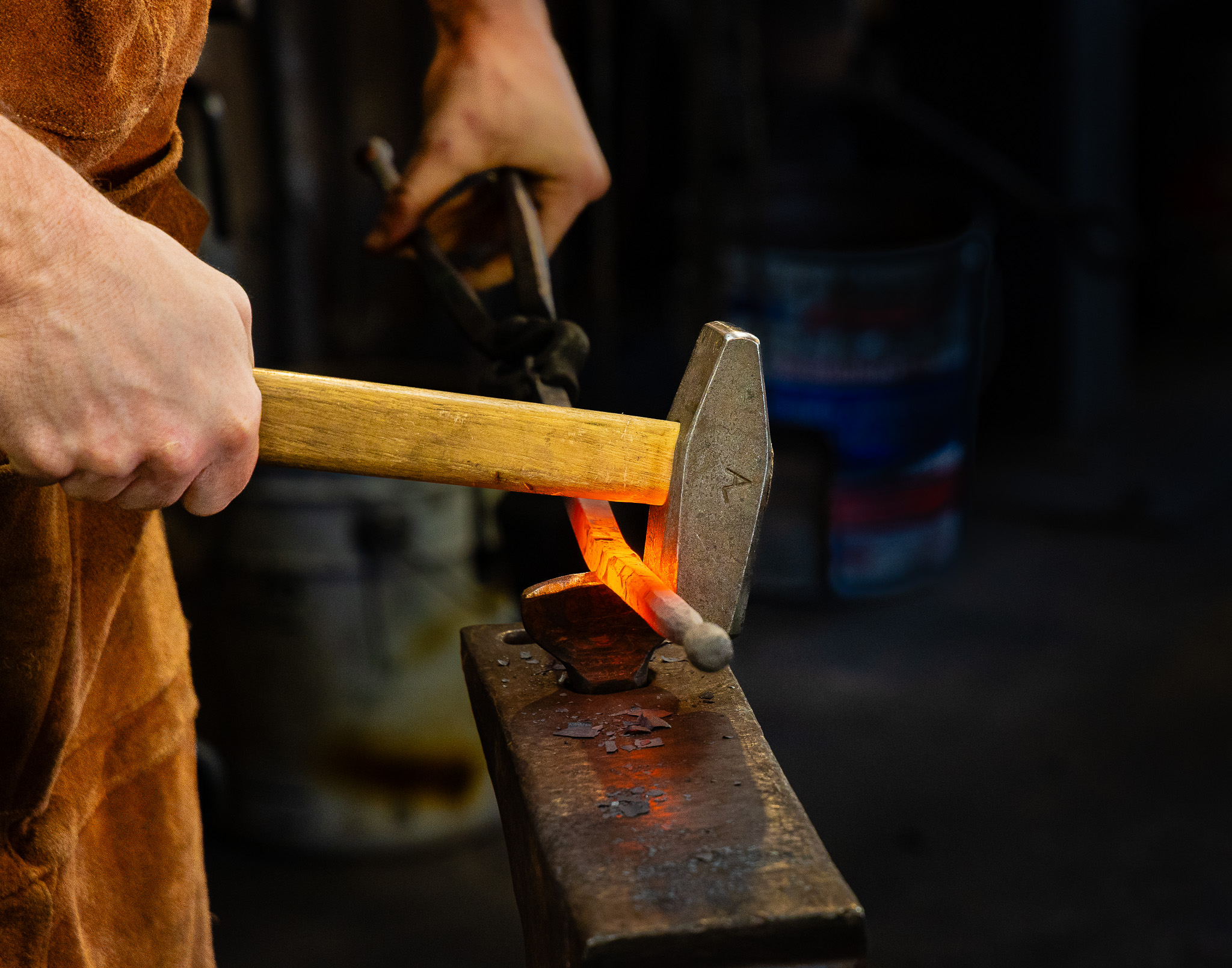
John Mott
Open
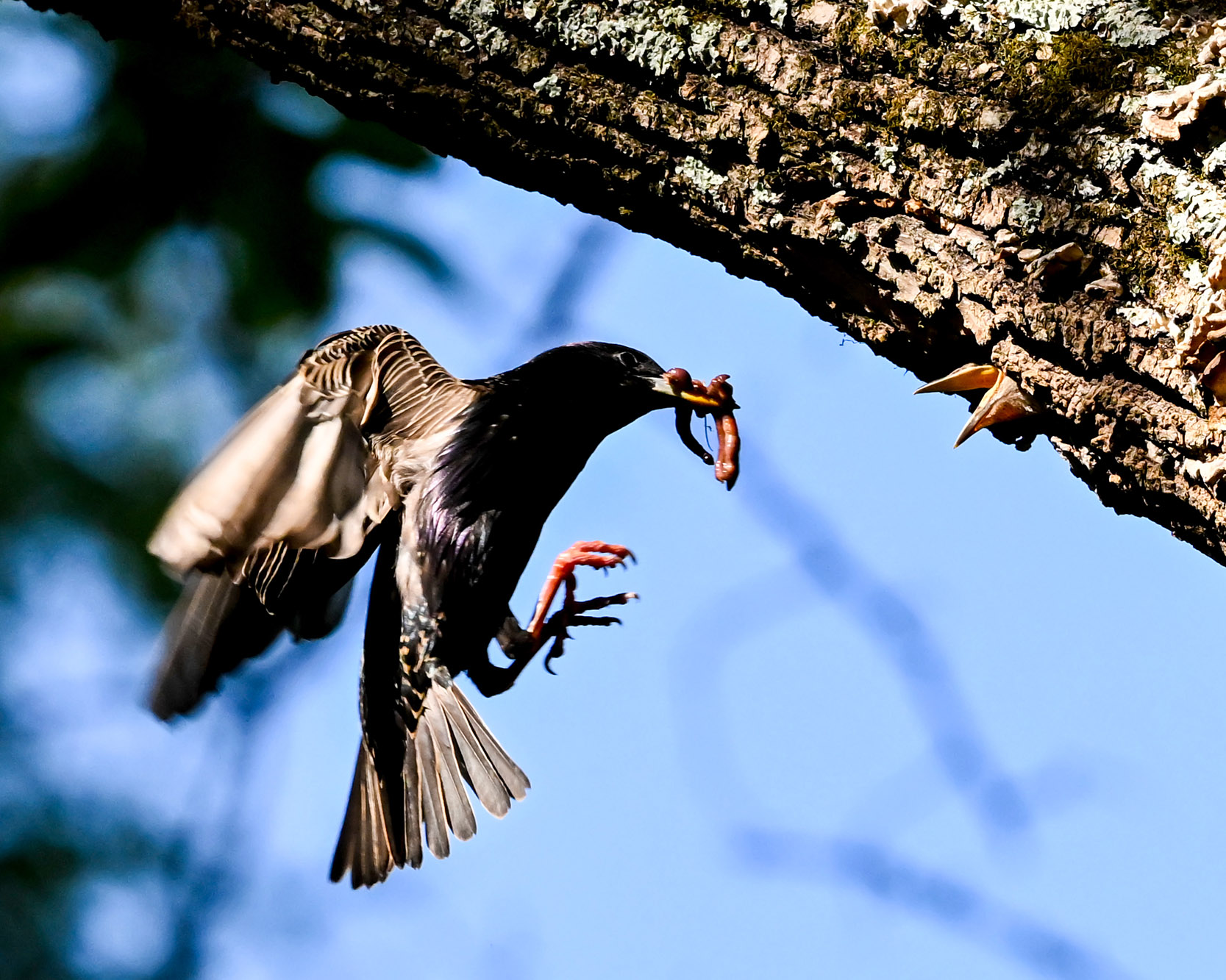
Robert Matusik
As a Brentwood Photography Group member, we partner with the Camera Club Council of Tennessee (3CT). Being connected to both a local group and a statewide network 3CT gives our members the absolute best of both worlds.
3CT Latest and Greatest newsletter
Inside this month’s newsletter, you will find a plethora of information to inspire your photography journey and keep you connected with our community.
Here is a look at what is included in this edition:
- President’s Message 2
- Education Corner: It’s Not the Camera 3-5 (see below)
- 3CT Fall Photo Trek 6-8
- October Featured Photographer: Bill Miller 9-10
- PSA Opportunities 11
- Photography Workshops 12
- Call for Entry 13
- Wilderness Wildlife Week 13
- Member Club News 14-24
- 3CT Club Directory 25-26
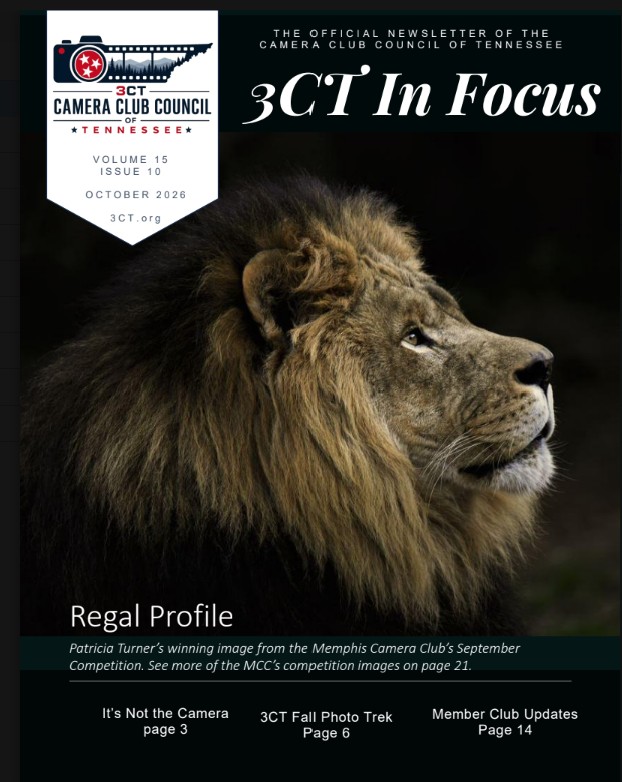
Education Corner: “It’s Not the Camera” emphasizes that camera equipment doesn’t determine photography skill or success in competitions.
Camera Equipment
- New cameras offer advanced features but don’t automatically improve photo quality.
- Older cameras can produce excellent images, especially for web sharing.
- Most contests require only 2.1 MP images, negating the need for high-megapixel cameras.
Photographer’s Skill
- Composition, lighting, and concept are crucial for quality images.
- Good photos often come from understanding techniques rather than gear.
- The photographer’s mastery outweighs equipment advantages.
Practical Advice
- Focus on learning and practice instead of acquiring expensive gear.
- Cell phone photos can rival professional camera images if well shot.
- Developing skills and a creative eye is the best investment in photography.
Mickey shows that the camera doesn’t make the photographer, skill does.
The Brentwood Photography Group Facebook page

Are you a new member? Contact us to request access to our Group page.
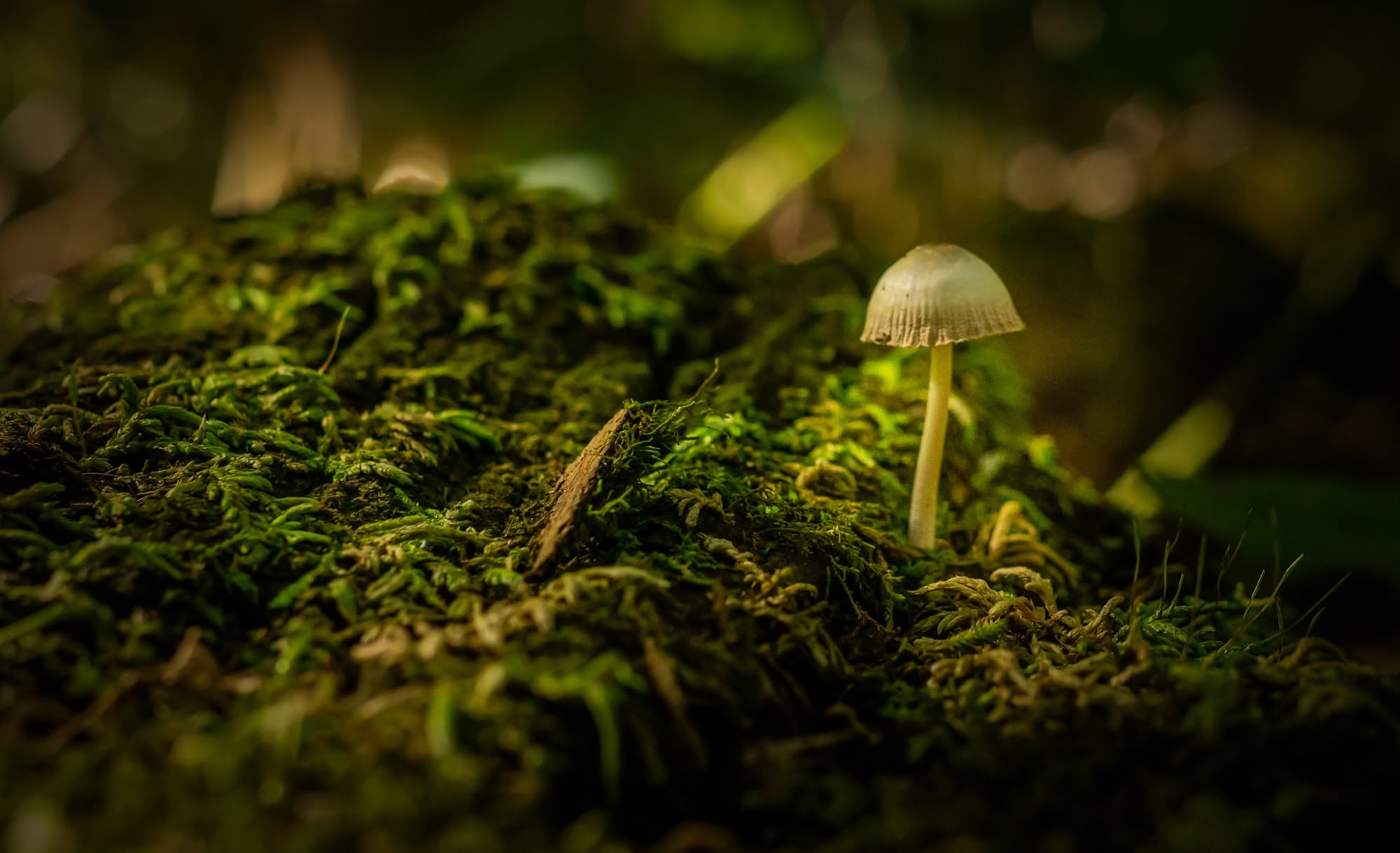
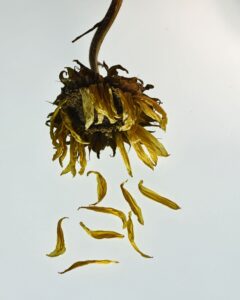
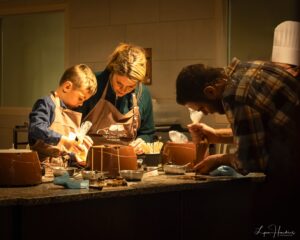
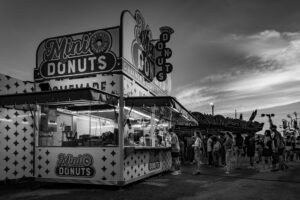
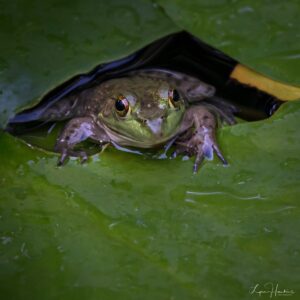
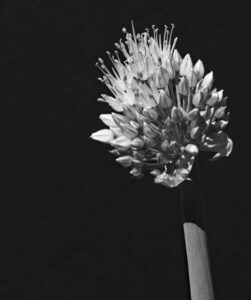
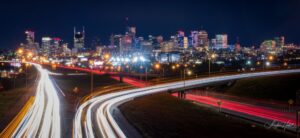
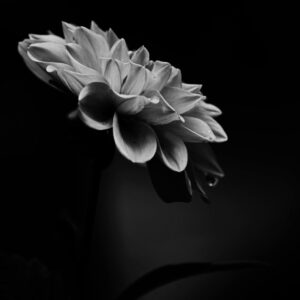
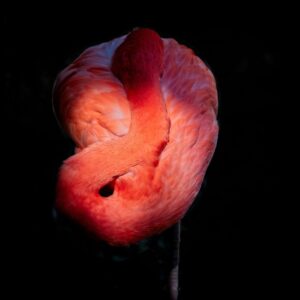
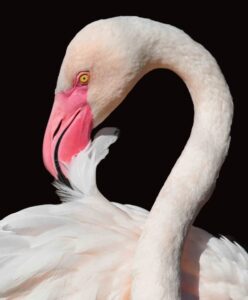
Williamson County Fair Winning Entries
Congratulations to Phyllis Tatum for receiving the Photographer of the Year at the TN State Fair!

2022 – Pat Hollander – Main Page
- Session 1 – The Basics – Exposure Triangle
- Session 2 – Lightroom Basics with Martin Cregg
- Session 3 – Intermediate Lightroom with Martin Cregg
- Session 4 – Photo Editing with ON1 with Rick Wise
- Session 5 – SmartPhone Photography with Susan Ruach
- Session 6 – Intermediate Photo Editing with ON1 with Rick Wise
Member Websites


Check out our member websites
If you would like your art to be added to the list, send your web information to the BPG Secretary.
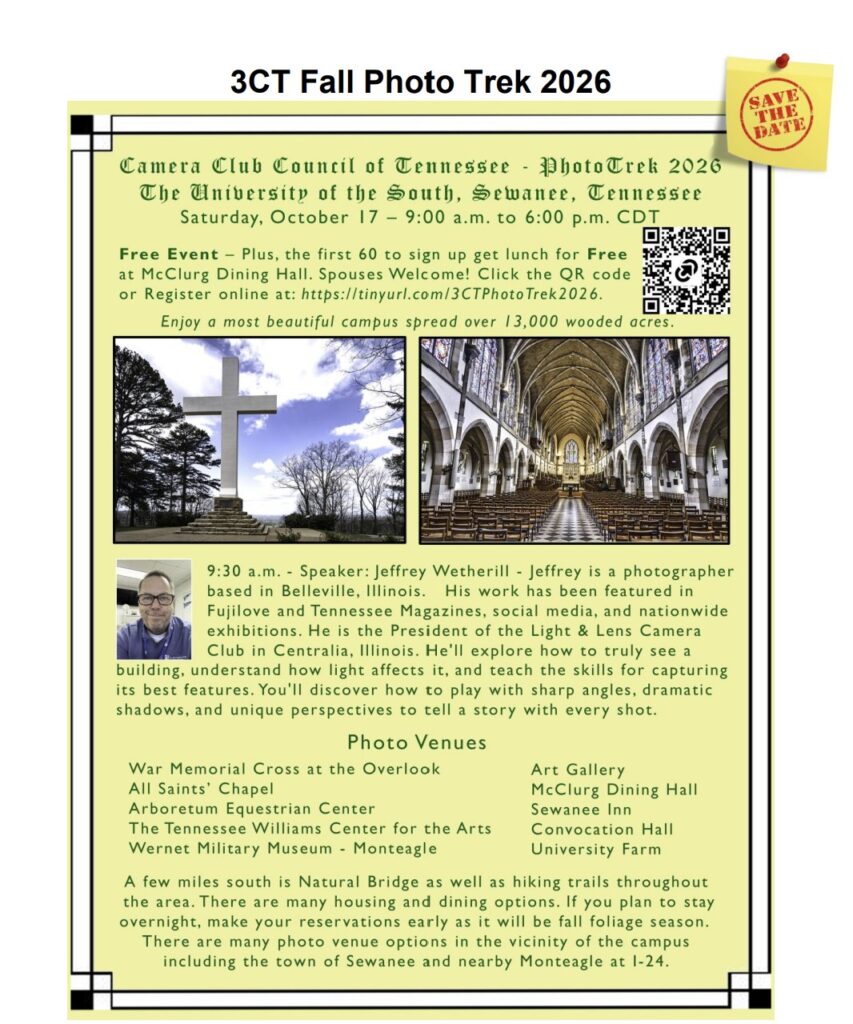
3CT Fall Photo Trek 2026
University of the South, Sewanee, Tennessee
Saturday, October 17, 2026
Nestled atop Tennessee’s scenic Cumberland Plateau, Sewanee is home to the University of the South, commonly known simply as “Sewanee”. Founded in 1857, the university is a nationally recognized liberal arts institution with a historic campus known for its Gothic architecture, stone buildings, and beautiful natural surroundings. The university is affiliated with the Episcopal Church and serves as both a liberal arts college and a school of theology.
One of Sewanee’s most distinctive features is “The Domain,” a 13,000 – acre campus and nature preserve that surrounds the university and village. The Domain encompasses forests, lakes, sandstone bluffs, caves, and more than 60 miles of trails, making it one of the largest and most scenic university campuses in the country.
For photographers, Sewanee offers an abundance of subjects, from the soaring architecture and stained-glass windows of All Saint’s Chapel to sweeping overlooks, woodland trails, and seasonal fall colors. The combination of historic buildings, dramatic landscapes, and natural light makes the area a favorite destination for photographers, artists, and outdoor enthusiasts alike.
The charming village of Sewanee, with its small-town atmosphere and mountain setting, adds to the area’s appeal, providing visitors with a unique blend of history, culture, and natural beauty.
Save the Date – End of Year Celebration Luncheon
Location Carrabba’s
2110 Green Hills Village Dr, Nashville, TN 37215
Date: Saturday December 5th, 2026
Time not yet finalized but expected to be 12:30.
Hello BPG Family,
Our annual holiday party is just a few months away! To make this event a success and keep costs down for our members, we need your help. Please review the ways you can contribute below:
Silent Auction Donations
We are seeking items, experiences, and skills to feature in our silent auction:
- Photography Gear: Cameras, lenses, tripods, bags, printers, scanners, frames, books, or anything photography.
- Local Experiences: Gift cards or donations from restaurants, theaters, or entertainment venues.
- Your Expertise: Donate a private lesson or mentoring session! Members love learning about:
- Editing: Lightroom, Photoshop, Nik, ON1, Topaz …
- Techniques: Light painting, astrophotography, macro, food photography…
- Gear: Specialized knowledge in Nikon, Canon, Sony, Fuji… systems.
Volunteer at the Event
We need a few extra hands on the day of the party to keep things running smoothly:
- Setup: Help prepare and arrange the silent auction area.
- Finances: Collect payments for raffle tickets and winning auction bids.
- Logistics: Greet members and manage the guest registration desk.
- Creatives: Bring your camera and capture a few candid photos of the festivities.
Holiday Desserts
Got a sweet tooth? Bring a dessert to share! We welcome both homemade and store-bought treats, including cakes, pies, brownies, and cookies…
How to Get Involved
If you would like to volunteer, donate an item/session, or offer a dessert, please reply directly to this email or contact Rick or myself at:
- Rick Wise: richardlwise@gmail.com
- Diane Burgett (Secretary): secretary@brentwoodphotographygroup.org
Thank you for your support, and we look forward to celebrating with you!
Best regards,
Diane Burgett
BPG Secretary
secretary@brentwoodphotographygroup.org


- Vitality Arts Digital Photography Workshop
- Occurs every Tuesday through October 6, 2026 10:30 a.m.–12:00 p.m.
- Nashville Public Library Edgehill Branch (1409 12th Ave S, Nashville, TN 37203);
- Free • Registration is required
- Architecture Tour – Offered every Saturday and Sunday at 3:30 p.m.
- Beauty and Ritual: Judaica from the Jewish Museum, New York. Oct 30, 2026–Feb 7, 2027
- Member Morning – Sunday, August 23, 2026, 11:00 a.m.–1:00 p.m. and Sunday, November 8, 2026, 11:00 a.m.–1:00 p.m. Members only
- Member Mornings – for members only on Wednesdays starting June 3, 2026 – October 28, 2026 8:00 am
- Cheekwood Harvest – September 13, 2025 – October 30, 2025
- El Día de los Muertos – October 31, 2026 – November 1, 2026
9:00 am – 5:00 pm
Franklin, TN
- Pumpkinfest – October 24, 2026
- Christmas Parade December 5, 2026
- Dickens of a Christmas December 12-13, 2026.
Harlinsdale Farm – Bringing the horses back to Harlinsdale.
- Central Tennessee Dressage Association.
- Webb School Art & Craft Fair October 17-18, 2026
- 10/1-10/4 – Nashville Oktoberfest – Nashville
- 10/3 – VetFest – Brentwood
- 10/3 – Knoblin Fest – Donelson
- 10/3 – Gallatin Main Street Festival – Gallatin
- 10/3 – Granville Fall Celebration – Granville
- 10/3 – Sadie Ford Heritage Day – Lebanon
- 10/3 – Manchester Old Timers Day Festival – Manchester
- 10/3 – Autumn Street Fair – McMinnville
- 10/3 – Celebrate Nashville Cultural Festival – Nashville
- 10/3 – Heritage Day – Hard Times USA – Rock Island
- 10/3 – Fall Festival at Tims Ford State Park – Winchester
- 10/4 – Davy Crockett Days I – Rutherford
- 10/5-10/10 – Davy Crockett Days II – Rutherford
- 10/9-10/10 – Goats Music and More Fair – Lewisburg
- 10/9-10/10 – Jack Daniel’s Work Championship Invitational Barbecue – Lynchburg
- 10/9-10/11 – Fall Tennessee Craft Fair – Nashville
- 10/10 – Grandview Fall Festival – Grandview
- 10/10 – Fall Ball, Y’all Festival – Nashville
- 10/10 – Monsters and Merriment – Nashville
- 10/10 – Nashville Whiskey Festival – Nashville
- 10/10 – Smithville Pumpkin Festival – Smithville
- 10/16-10/18 – Indian Education Tennessee Pow Wow – Nashville
- 10/17 – Dog Day Festival – Nashville
- 10/17 – Light the Nations – Nashville
- 10/17 – Tennessee Beer, Wine and Shine Festival – Nashville
- 10/17 – Whole Hog Festival – Spring Hill
- 10/17-10/18 – Lebanon Oktoberfest – Lebanon
- 10/24 – Lebanon Fall Festival – Lebanon
- 10/24 – Halloween in the Park – Mt. Juliet
- 10/24 – Harvest Days Celebration at Cannonsburgh Village – Murfreesbor
Byron Jorjorian Fine-Art Photography
Byron Jorjorian
Kathleen Clemons Photography
Kathleen Clemons
Natural Connections Photo Workshops
Ledra Woodlee
Hand-crafted night photography workshops led by two of our five experienced and enthusiastic instructors.
New Life Photos
Jamie Konarski Davidson
Rich Seiling Photography
Rich Seiling
Show your support for BPG by purchasing our very own branded “merch”!
- Mug
- Tote bag
- Baseball cap
- Insulated tumbler
- Unisex T-shirt
- Women’s T-shirt
All products are made and delivered by Zazzle; they will handle any customer service issues too. BPG will receive royalties on all products sold which we will put towards Group expenses.